The Fjälls: Arctic fox wilderness
Spotting Arctic foxes in the Far North
Arctic foxes can be spotted without too much difficulty in Svalbard and Iceland, two destinations that are already on the wish list of many nature enthusiasts. Svalbard is popular with those who want to see polar bears without having to make the long journey across to Canada. Iceland, meanwhile, mainly attracts ornithologists who wish to remain within the boundaries of the Western Palearctic region, partly because of a remarkable pair of duck species: the Barrow’s Goldeneye and the Harlequin duck in its summer plumage. The white morph of the Gyrfalcon is also a major attraction for many visitors. In addition, Iceland is a favourite destination for landscape photographers, who can capture not only spectacular scenery but, under the right conditions, also the Northern Lights. And then, of course, there are the orcas, which are observed around Iceland particularly during the winter months. The beauty of it all is that, during a visit like this, you can simply add the Arctic fox to the experience.
-
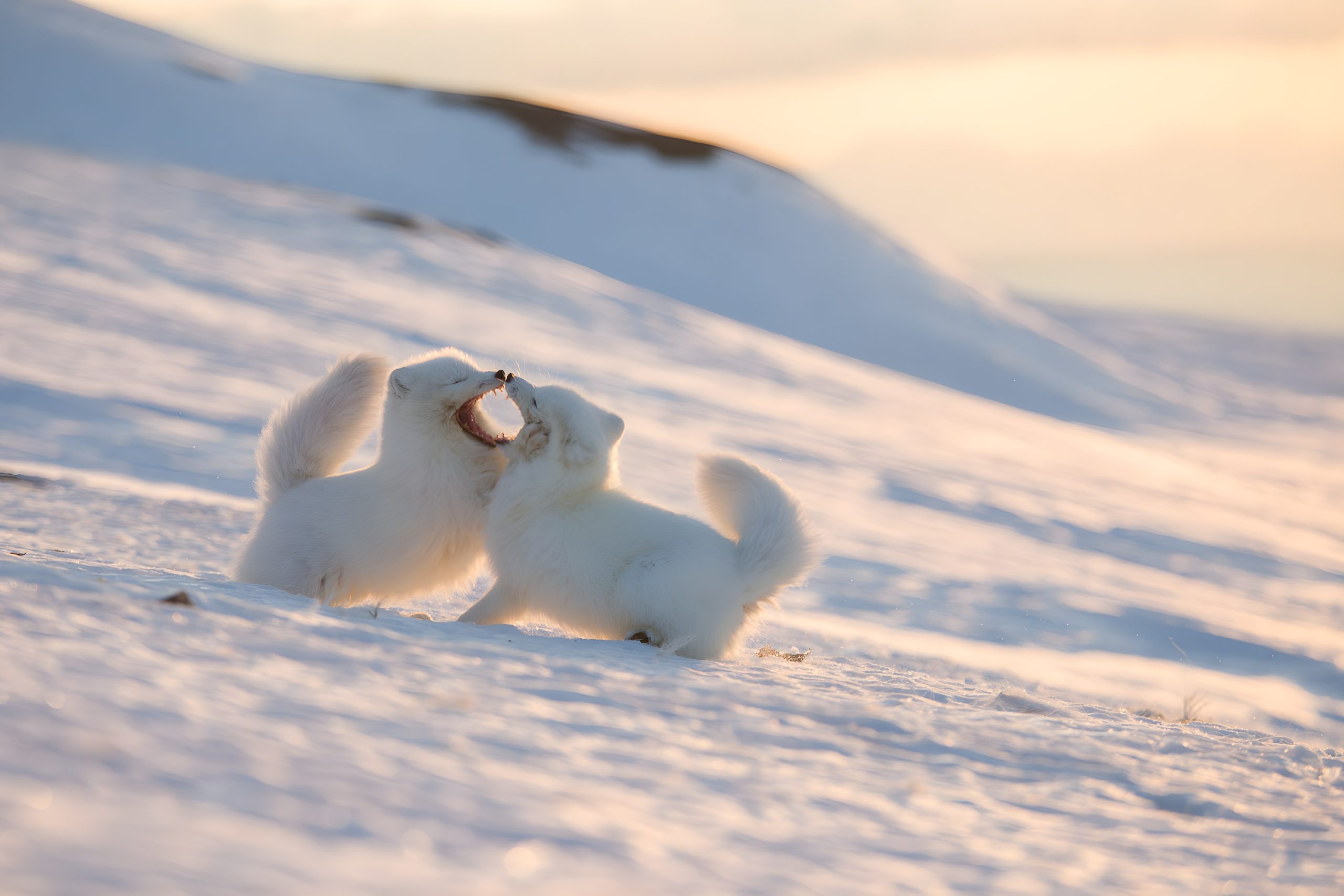
- Arctic Fox © Pieter-Jan D’Hondt
The Fennoscandian Arctic fox population
From thousands of animals to just a few hundred
The situation regarding populations in Norway, Sweden and Finland is particularly remarkable, as the species stood on the brink of extinction in these parts of mainland Europe for a long time. In the 19th century, Arctic foxes were still abundant in Fennoscandia. Estimates put their numbers at between 10,000 and 20,000 animals. The first major blow came from commercial fur hunting after the First World War. The Arctic fox has an exceptionally dense, warm coat, making its fur highly valuable. The population plummeted from many thousands of animals to just a few hundred.
-
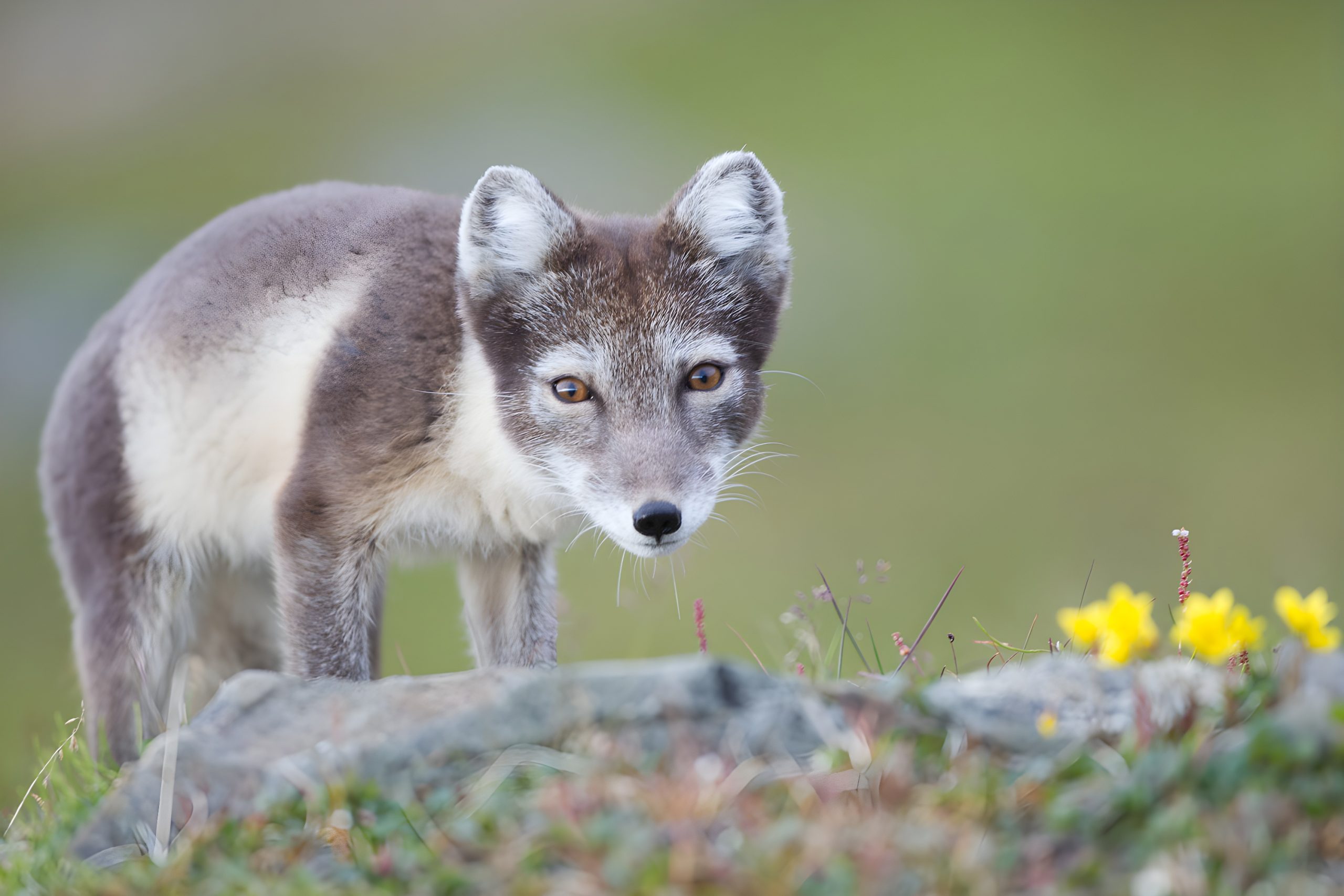
- Arctic fox © Pieter-Jan D’Hondt
Why recovery proved so difficult
You might expect a protected species to recover naturally after a few decades, but that did not happen with the Arctic fox. One important reason was that so few animals remained. Moreover, these animals were scattered across vast mountainous regions, making it more difficult for them to find suitable mates. A small population is also particularly vulnerable to accidental mortality and inbreeding.
-
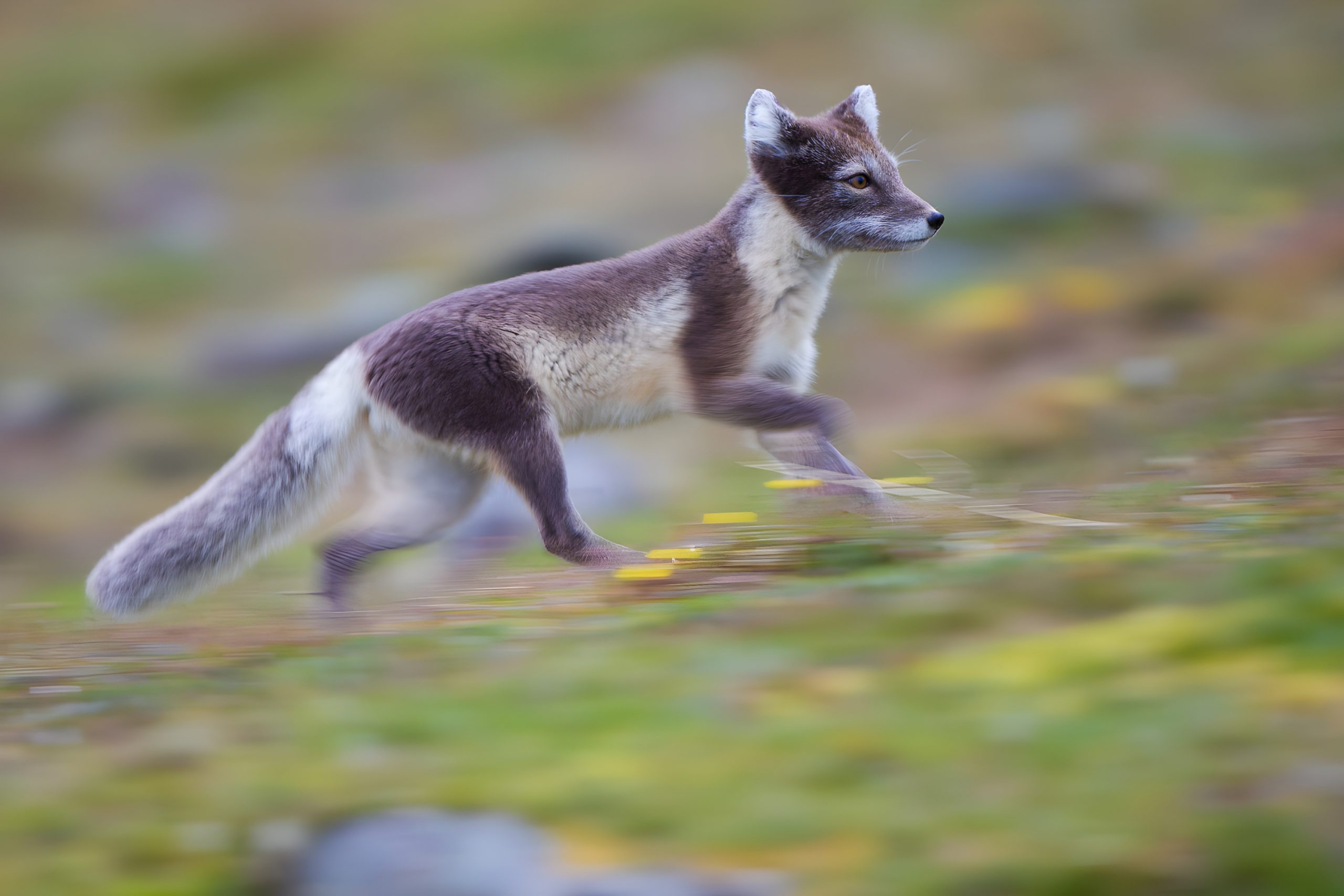
- Arctic fox © Pieter-Jan D’Hondt
The crucial role of lemmings
Food availability also played an important role. In Fennoscandia, Arctic foxes depend heavily on small rodents, especially lemmings. These undergo natural population fluctuations roughly every three to four years: a period of rapid growth is often followed by a sharp decline. In a good lemming year, Arctic foxes can raise many young, whereas in a poor year, no cubs may be born at all. Global warming, however, is changing and disrupting winter patterns, causing peaks in lemming populations to become weaker and less regular. This has made it even more difficult for the small remaining Arctic fox population to recover.
-
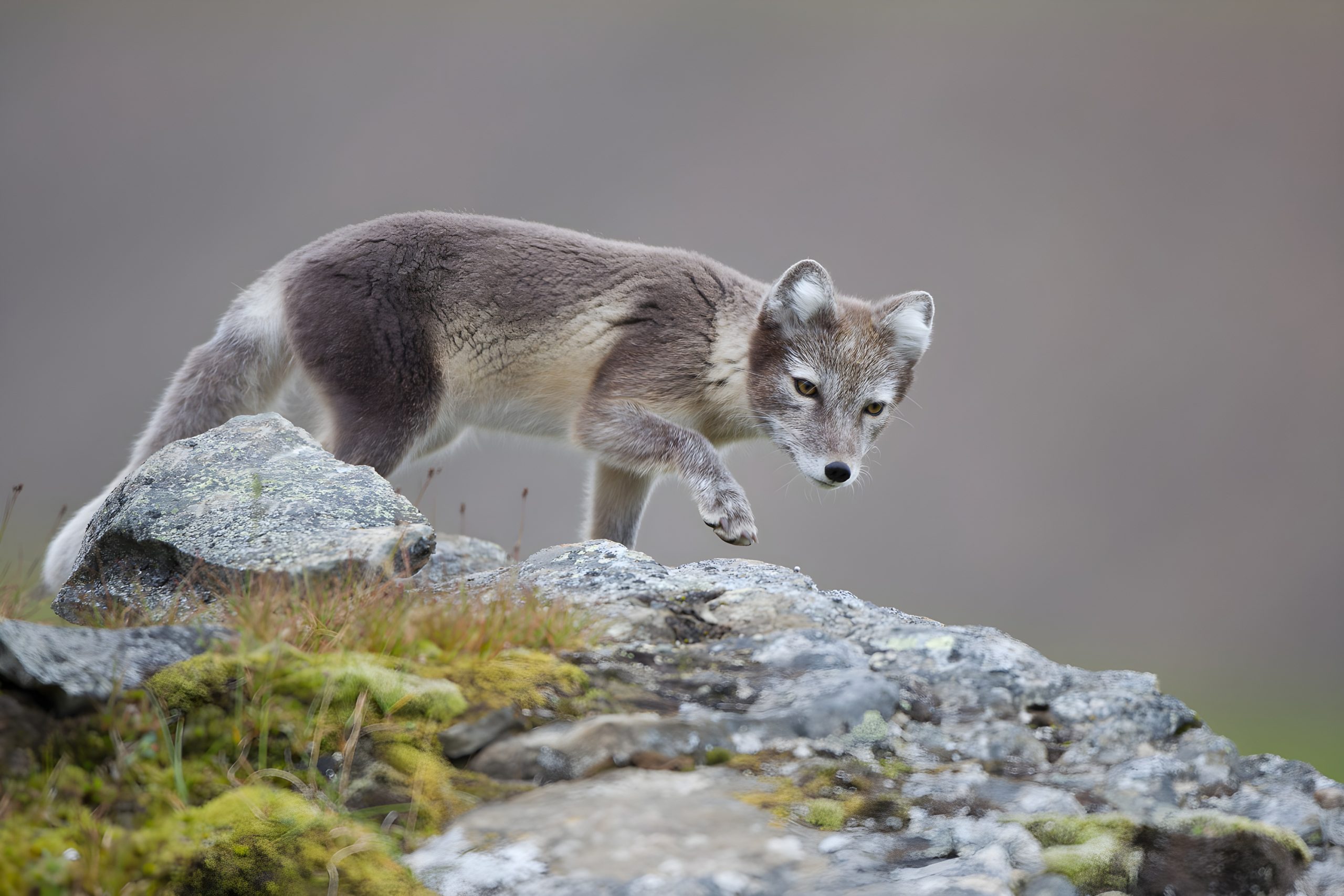
- Arctic fox © Pieter-Jan D’Hondt
The red fox as an additional threat
Another factor, perhaps surprisingly important, is the red fox. Changes in the mountain landscape and climate are allowing red foxes to venture increasingly higher into the mountains. They are larger and more aggressive than Arctic foxes and consequently outcompete them for food sources and suitable den sites.
A species under extreme pressure
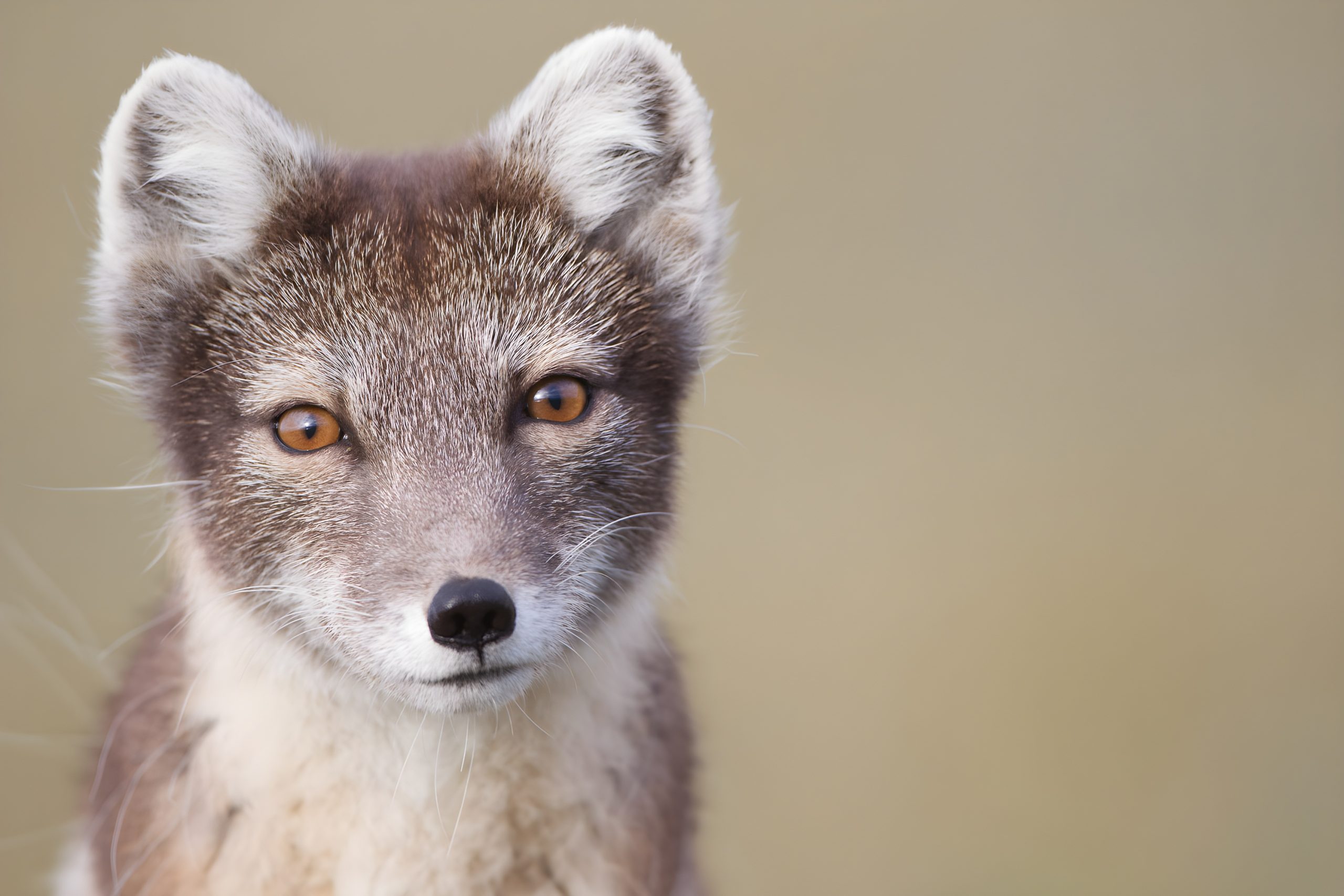
It was therefore a combination of several different circumstances that left the Arctic fox under extreme pressure in Fennoscandia around 2005, seriously threatening its survival in the region.
-
- Arctic fox © Pieter-Jan D’Hondt
More than just a helping hand
A combination of conservation measures
To prevent the Arctic fox from becoming extinct, several measures are being combined in Fennoscandia. Feeding stations are installed to provide the animals with supplementary food, particularly during years when lemming numbers are low. Red foxes are also actively controlled. In 2005, Norway launched a captive-breeding programme in which Arctic foxes born in captivity are released into the wild to strengthen small populations and connect them with one another. The Arctic fox breeding centre is located in Dovrefjell, one of Norway’s most beautiful and impressive highland regions.
-
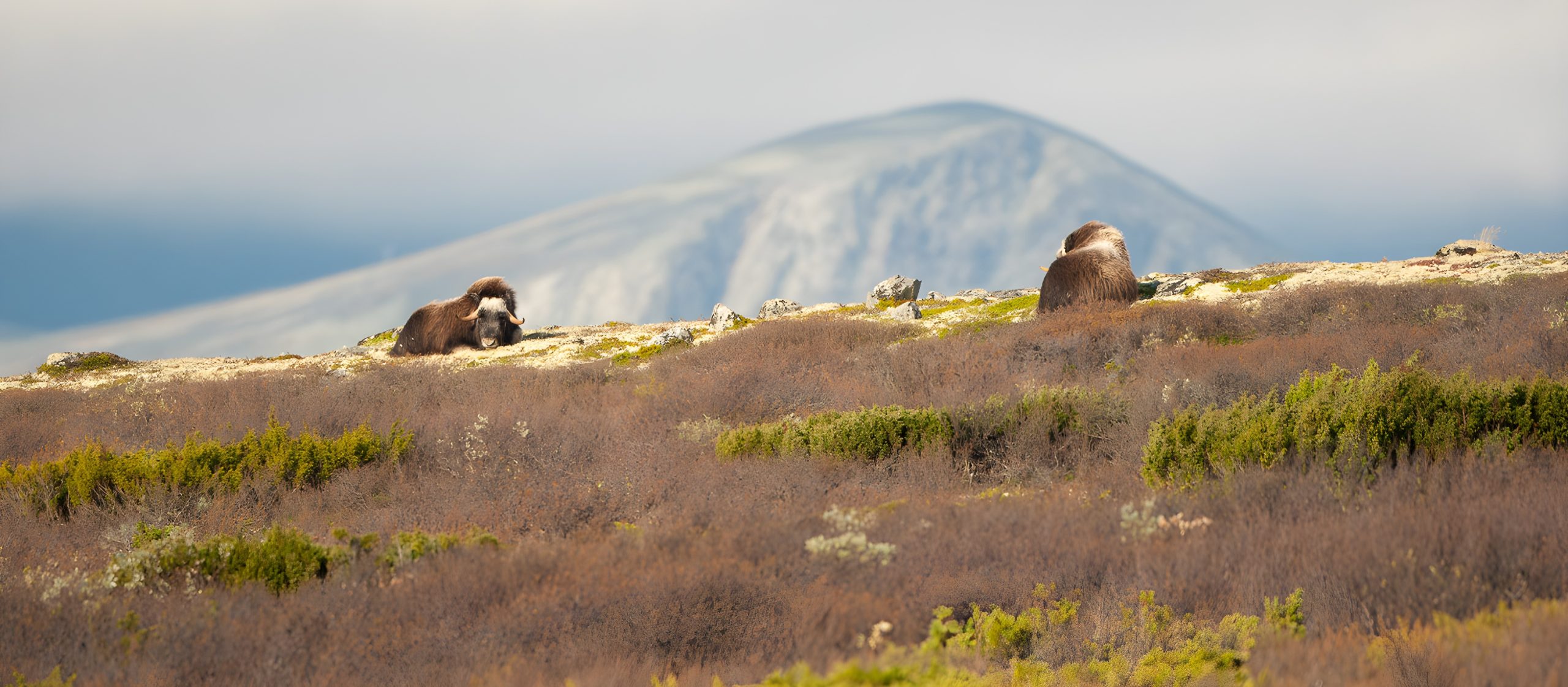
- Muskoxes in Dovrefjell NP © Pieter-Jan D’Hondt
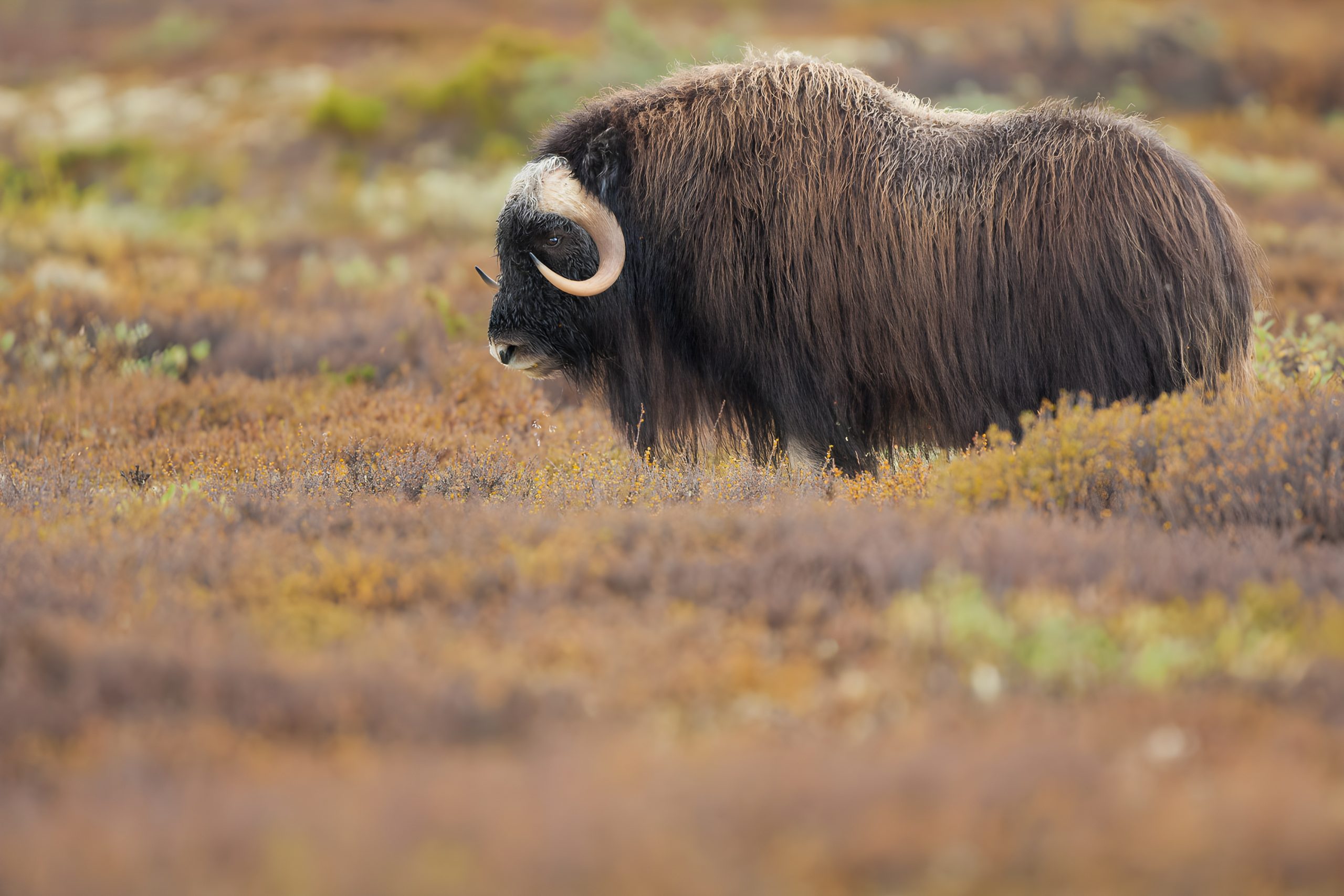
The landscape is characterised by vast mountain plateaus, rolling tundra, rugged peaks and expansive valleys. In summer, the mountain slopes turn green and numerous Arctic plants come into bloom, while in winter the area becomes a vast world of snow and ice. The unspoilt wilderness and open landscapes offer a unique glimpse into the Scandinavian wild. Dovrefjell is also one of the few places in Europe where musk oxen can be observed in the wild. This remarkable natural area is an important habitat for the rare Arctic fox as well.
-
- Muskox © Pieter-Jan D’Hondt
So-called ‘stepping stones’ are also being used in an effort to improve the exchange between isolated populations. Finally, the populations are intensively monitored to track their development and genetic diversity.
The population is recovering, but there is still a long way to go
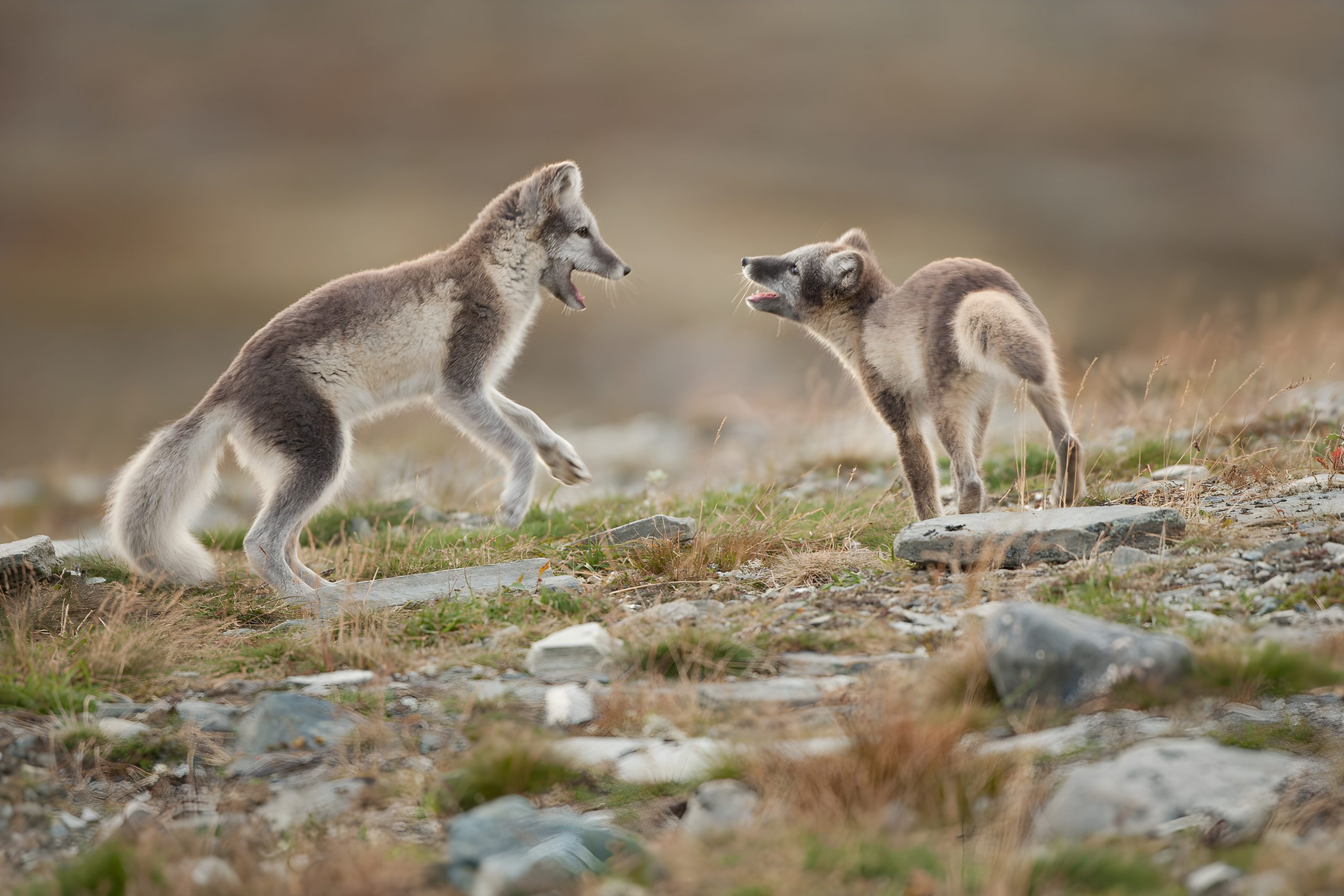
Thanks to this combined approach, Arctic fox numbers in Scandinavia have increased significantly in recent years. Around 2000, there were only 40–60 adult Arctic foxes in Fennoscandia. By 2025, that figure had risen to approximately 526, with 97 dens recorded. The population has therefore recovered substantially, but it remains well below the target of 2,000 adults, which is used as a long-term objective for a robust, stable and viable population.
This inevitably raises the question of the seemingly intractable problem posed by the red fox, as well as whether an abundance of lemmings might never return. After all, the Earth is certainly not getting any colder.
-
- Arctic fox © Pieter-Jan D’Hondt
Protecting and respecting the Arctic fox
In Sweden, the Arctic fox (fjällräv) is legally protected, as it is in Norway and Finland. Consequently, the animals and their dens must not be disturbed. The exact locations of dens are deliberately kept confidential to prevent disturbance. It is particularly important to maintain sufficient distance when cubs are present. Hiking in the fjäll region is permitted, but if you come across an Arctic fox den, you must keep at least 300 metres away.
-
- Arctic fox © Pieter-Jan D’Hondt
Guided excursions to an occupied den
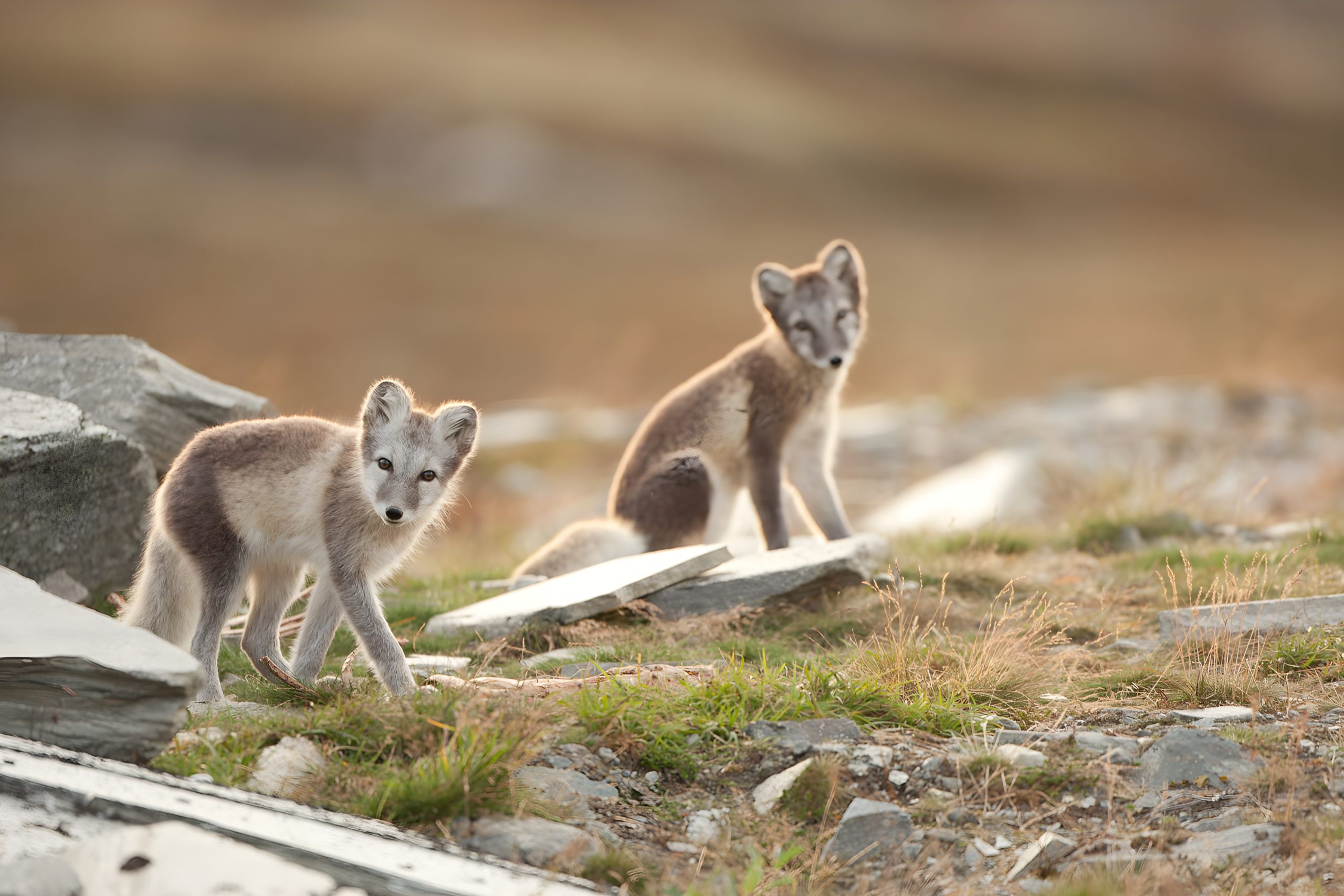
A major Swedish hiking and nature association, which focuses on hiking, nature, mountain tourism and accommodation, is virtually the only legal organisation with special permission to guide groups to a known, occupied Arctic fox den. This permission is granted because the excursions form part of the conservation and educational work surrounding the Arctic fox. The activities are also organised in consultation with the relevant parties and other stakeholders. Last summer, I joined one of these guided excursions with my wife and daughter. It took some effort to arrange, but in the end we managed to see both the cubs and an adult fox, in and around a historically old den that has been used for generations.
-
- Arctic fox and Long-tailed Skua © Pieter-Jan D’Hondt
Outstanding nature in the scandinavian mountains
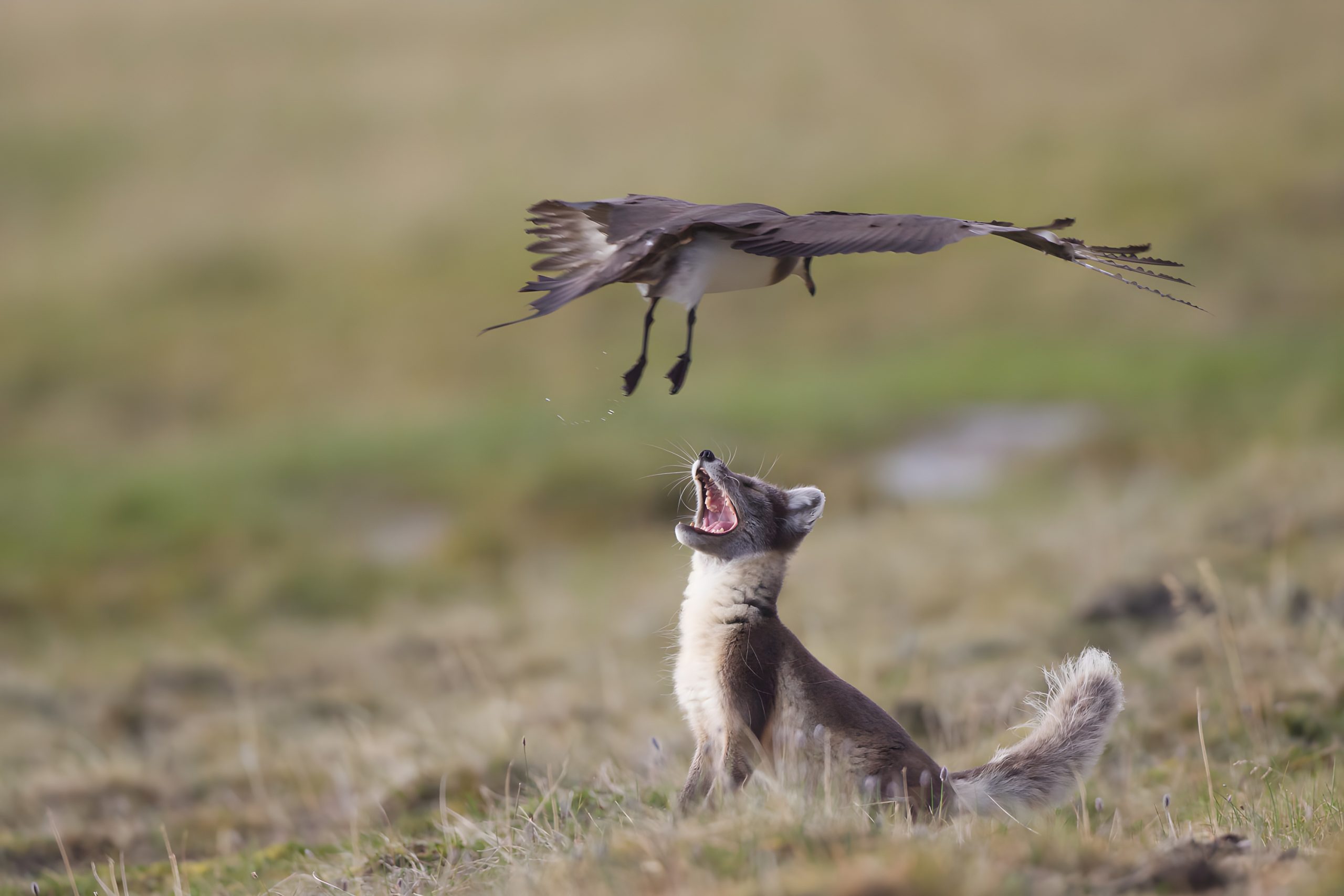
The vast, desolate surroundings in which the den was located, together with a Golden Eagle soaring high overhead and scanning the den for potential prey among the cubs, provided a powerful sense of truly outstanding wilderness. The eagle, in turn, was attacked by a Rough-legged Buzzard. The presence of several exceptional species, including the Gyrfalcon, Eurasian Dotterel, Long-tailed Skuas and Rock Ptarmigan, completed the picture. Sometimes, everything simply comes together to create a truly impressive overall experience!